
EV Battery Waste and Recycling Pathways Through KOLEKSI

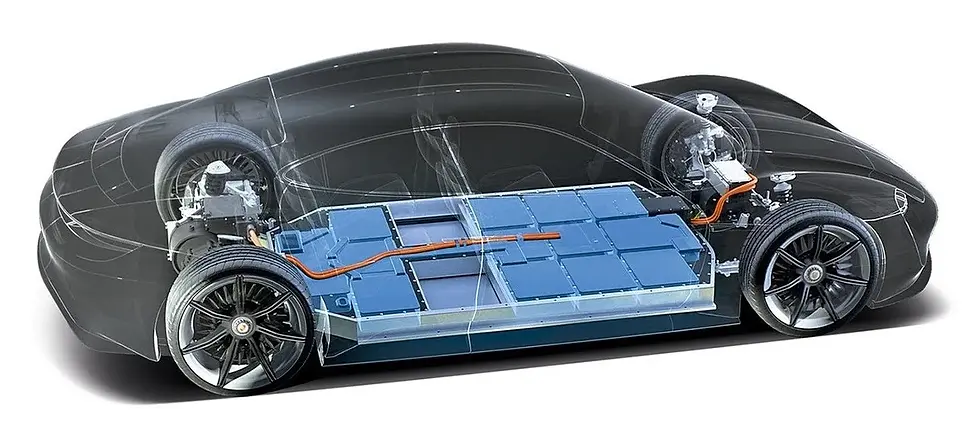
As the adoption of electric vehicles (EVs) continues to accelerate, managing end-of-life batteries is becoming an increasingly important challenge in ensuring a sustainable transition to electric mobility.
Our Founder and Principal, Jessica Hanafi, Ph.D, explores this topic in an article titled “EV Battery Waste and Recycling Pathways: Memahami Nasib Baterai EV Bekas Pakai?”, published on the website of Komunitas Mobil Elektrik Indonesia (KOLEKSI), an Indonesian electric vehicle community that serves as a platform for communication, information sharing, and public education on electric mobility.
Three Pathways for Managing End-of-Life EV Batteries
Rather than treating every used EV battery as waste, the article introduces three main pathways based on its remaining condition and potential for further use:
Reuse: Recovering and reusing battery modules that remain in good condition as replacement components for electric vehicles.
Repurpose / Second Life: Converting batteries with remaining capacity into stationary energy storage systems (ESS), including applications for renewable energy support, industrial backup power, and EV charging stations.
Recycle: Recovering valuable materials such as lithium, nickel, and cobalt through recycling processes when batteries are no longer suitable for further use.
The transition to electric mobility should go beyond reducing emissions during vehicle operation. Ensuring that batteries are responsibly managed throughout their life cycle is equally important to building a more circular and sustainable EV ecosystem.
To read the full article by Dr. Jessica Hanafi, visit the link below:
Read the full article on KOLEKSI or contact LCI today to learn how Life Cycle Assessment can support your organization's sustainability journey.
Comments